%2Ffit-in%2F250x250%2Fguide_websites%2F20543%2Fimages%2F1736860431353mackestybusinesslogo.png&w=1920&q=100)
Crappie Fishing in Pittsburg MO with Guide Brian Mackesty
Crappie Fishing on Pomme de Terre Lake - What to Expect
%2F%2Fusers%2Ff111e5b7-8e2f-46b6-987c-ce7cc6105f80%2Fimages%2Fpittsburg-mo-crappie-catch-2583.jpg&w=1920&q=75)
Guided Fishing Trip by Guide Brian Mackesty in April
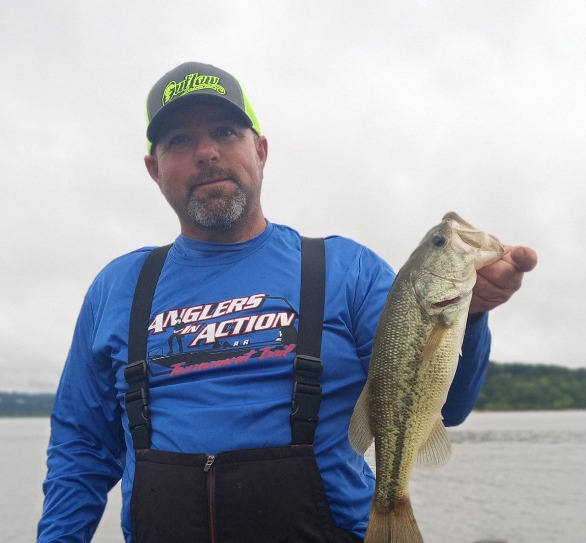
- Top Pomme De Terre Fishing Guide!


Summary
Join a guided fishing trip on Pomme de Terre Lake with Brian Mackesty of Last Cast Fishing Guide Service LLC on Thursday, April. This crappie fishing adventure showcases what makes local waters productive for both panfish and quality catches throughout the season.
Guided Crappie Fishing with Brian Mackesty - Rates & Booking
Guide Brian Mackesty of Last Cast Fishing Guide Service LLC offers guided fishing trips on Pomme de Terre Lake near Pittsburg, Missouri. When booking your crappie fishing adventure, you'll benefit from local expertise and established techniques that produce consistent results on these productive waters. Contact Last Cast Fishing Guide Service LLC to inquire about availability, group size options, and current rates for your preferred dates.
Highlights of Crappie Fishing on Pomme de Terre Lake
Pomme de Terre Lake delivers excellent crappie fishing opportunities year-round. The lake's structure and habitat create ideal conditions for both black crappie and white crappie, making it a premier destination for anglers seeking quality panfish experiences. Spring and fall seasons often provide peak activity, with fish moving into shallower waters and feeding more actively.
What makes this fishery distinctive is the combination of accessible structure, consistent water conditions, and the natural abundance of forage that keeps crappie populations healthy and aggressive. Whether you're targeting brush piles, dock structures, or open water, the lake offers multiple approaches to successful crappie fishing.
Crappie Behavior and Habitat on Pomme de Terre Lake
Crappie are structure-oriented fish that relate closely to submerged cover, vegetation, and depth changes. On Pomme de Terre Lake, this typically means focusing on dock pilings, fallen timber, brush piles, and ledges where crappie congregate to hunt small baitfish and invertebrates. Understanding these patterns is key to consistent catches.
Crappie tend to suspend in deeper water during midday, especially in warm months, then move toward shallower structure during low-light periods and cooler seasons. They're schooling fish, meaning when you locate one quality area holding fish, you've often found where multiple crappie are grouped together. This makes them excellent targets for guides who understand local structure and seasonal movements.
Black crappie prefer slightly deeper and darker habitats with heavier cover, while white crappie often hold in slightly shallower zones with more open water nearby. Both species feed aggressively on small jigs, live minnows, and small soft plastics. Their aggressive feeding response during prime periods makes crappie fishing rewarding for anglers of all skill levels, from beginners learning to read structure to experienced panfish specialists refining their techniques.
The bite quality on Pomme de Terre Lake is influenced by weather patterns, barometric pressure, and seasonal transitions. Spring transitions often trigger excellent feeding as water temperatures climb and fish respond to improving conditions. Early morning and evening periods consistently produce good results, though crappie fishing can remain productive throughout the day when you locate active structure.
Brian Mackesty's local experience means understanding which structures are currently holding the most active fish, how seasonal changes affect location patterns, and which techniques work best for current conditions. This knowledge transforms your time on the water from random searching into focused, productive fishing.